
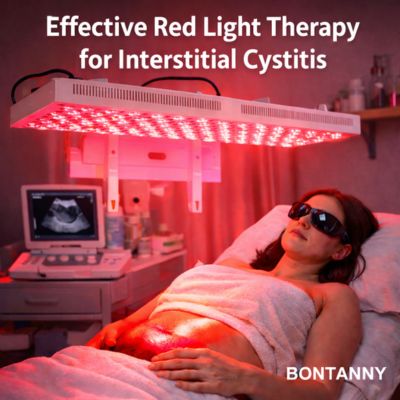
Interstitial cystitis (IC), also known as painful bladder syndrome, is a chronic condition that leads to bladder and pelvic pain, pressure, and discomfort. Common symptoms include the frequent urge to urinate in small amounts, bladder filling pain that is relieved after urination, pain during intercourse, and emotional distress. Individuals suffering from this condition often find it challenging to manage these symptoms, which can significantly impact daily life.
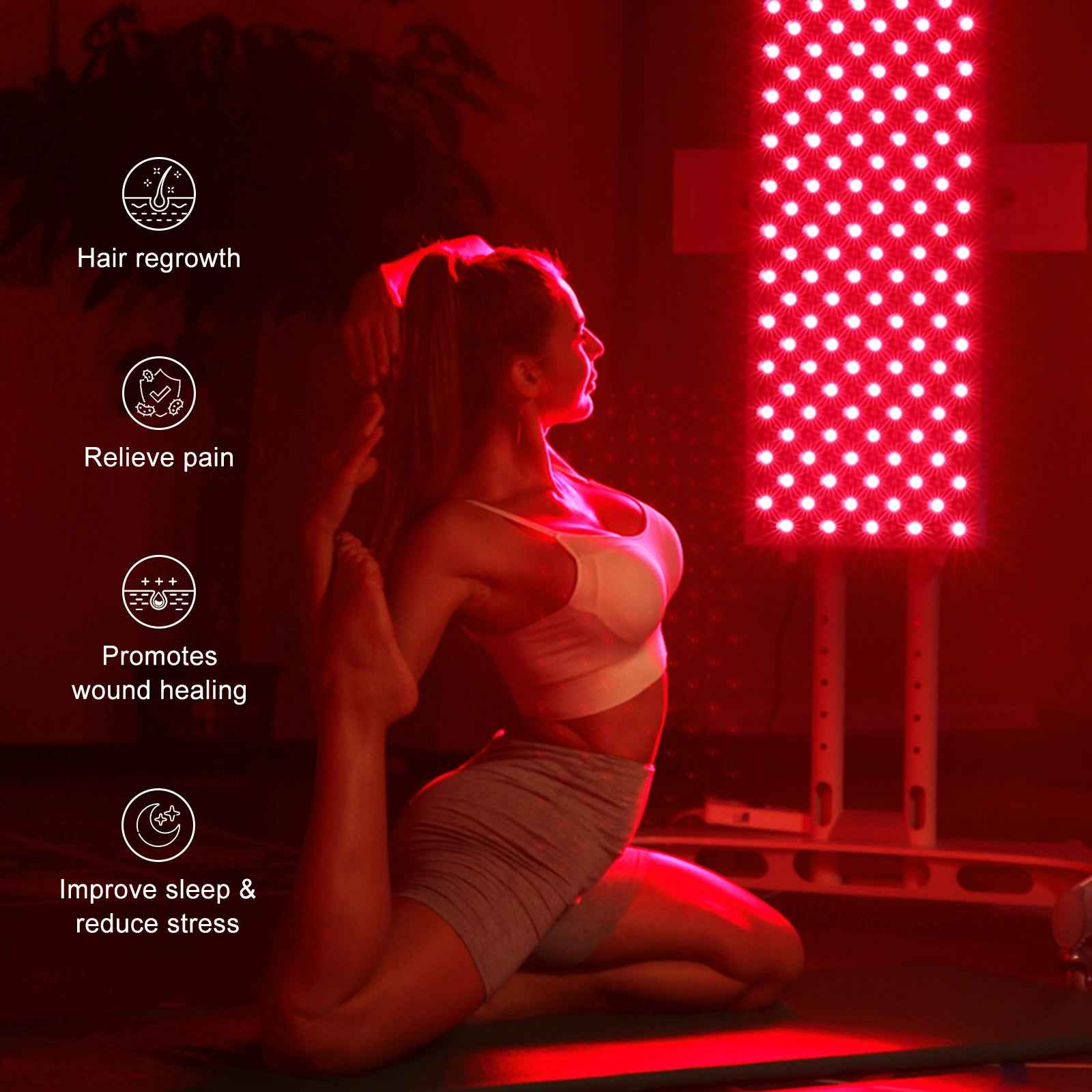
Patients with interstitial cystitis often start with conventional treatments, but these therapies frequently only provide short-term relief, failing to address the root cause of the condition. In such cases, Bontanny's red light therapy devices offer a promising, drug-free, non-surgical alternative. Bontanny's red light therapy uses low wavelengths of red and near-infrared light, which can promote healing by reducing inflammation, relieving pain, and improving bladder tissue health.
In this article, we’ll explore how Bontanny's red light therapy can help manage interstitial cystitis, its application, and the science behind this treatment.
Understanding Interstitial Cystitis: Causes and Symptoms
Interstitial cystitis (IC) or painful bladder syndrome is a chronic condition that affects the bladder and surrounding pelvic region. This disorder leads to symptoms such as frequent urination, a sense of urgency to urinate, painful bladder filling that disappears after urination, pelvic pressure, and pain during sexual activity.
Although the exact cause of IC is not fully understood, it is believed to result from a combination of factors, including injury to the bladder lining, an overactive immune response, nerve hypersensitivity, or infections. Additionally, hormonal changes and stress can contribute to symptom flare-ups.
The general symptoms of interstitial cystitis include the need to urinate frequently (sometimes as often as 60 times a day), urgency to urinate, pelvic pressure, and pain during sex. These symptoms can vary greatly in intensity from person to person and can often worsen during flare-ups.
Challenges with Conventional Treatments for Interstitial Cystitis
Traditional treatments for interstitial cystitis often focus on symptom management rather than addressing the underlying causes. These treatments may include medication, bladder instillations, physical therapy, and lifestyle changes. While they can provide some temporary relief, they are not effective for everyone and tend to lose their effectiveness over time.
Patients who rely on long-term medication use often face side effects, and bladder instillations can be invasive and painful. Additionally, lifestyle modifications and physical therapy may not work for everyone due to the individual nature of IC symptoms.
As a result, many patients seek non-invasive treatments like Bontanny's red light therapy to address their condition in a more effective, drug-free manner.
How Bontanny Red Light Therapy Supports Bladder Health and Healing
The Science Behind Red Light Therapy for Pain and Inflammation
Bontanny's red light therapy devices target pain and inflammation associated with interstitial cystitis by improving blood flow, reducing inflammation, and stimulating cellular energy production. The primary cause of pain in IC is inflammation and damage to the bladder lining, and red light therapy can help heal these damaged tissues.
Red light therapy, also known as photobiomodulation (PBM), uses specific wavelengths of red and near-infrared light. These wavelengths penetrate deep into the tissue and stimulate the mitochondria (the energy powerhouses of the cells), increasing energy production in the form of ATP (adenosine triphosphate). The excess ATP helps accelerate the repair of damaged tissues, promoting healing in the bladder lining.
Additionally, red light therapy increases the production of nitric oxide, which dilates blood vessels, improving circulation and allowing oxygen and nutrients to reach the tissues faster. This helps promote healing and reduce inflammation, while also alleviating pain by stimulating the production of endorphins, the body's natural painkillers.
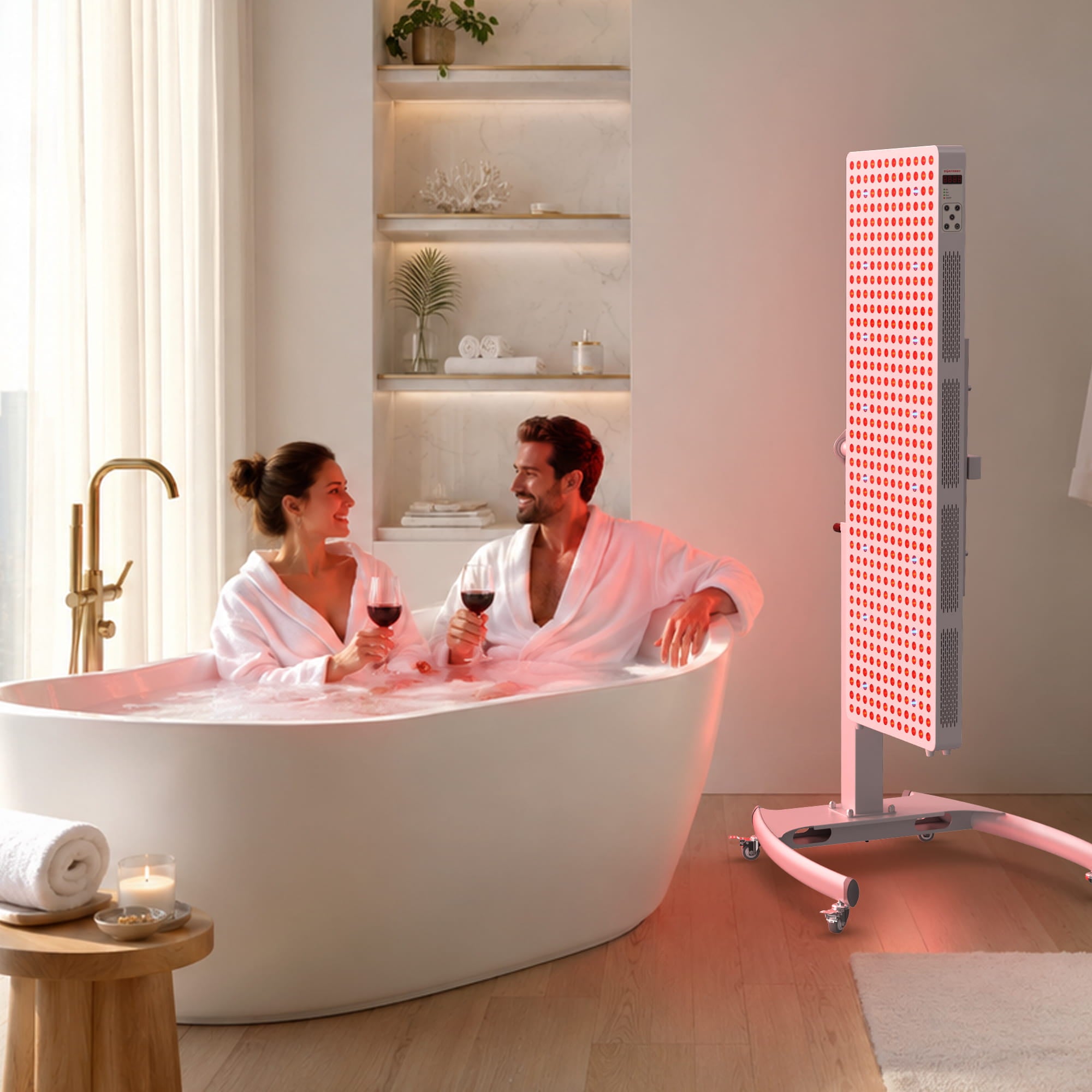
Bontanny’s devices are designed to deliver these therapeutic wavelengths safely and effectively, allowing users to heal their bladder tissue at home without the need for invasive treatments.
Does Red Light Therapy Work for Interstitial Cystitis? What Research Says
Research on the effectiveness of red light therapy for interstitial cystitis is still emerging, but the results are promising. Studies show that red and near-infrared light can help restore the bladder lining, reduce inflammation, and alleviate pain, offering a viable solution for IC patients.
Clinical Evidence on Red Light Therapy for IC Relief
-
Study 1: A study evaluating transvaginal red light therapy (TV-PBM) in women with interstitial cystitis/bladder pain syndrome (IC/BPS) found that nearly two-thirds of participants experienced significant reductions in pelvic pain after eight sessions. This study suggested that TV-PBM could provide effective pain relief and improve bladder health.
-
Study 2: A pilot study on transvaginal red light therapy also demonstrated significant pain relief in women with chronic pelvic pain, with lasting improvements up to six months after treatment.
These studies highlight the effectiveness of red light therapy in reducing pain and improving bladder function, confirming its potential as a non-invasive treatment for interstitial cystitis.
Choosing the Right Red Light Therapy Device for Interstitial Cystitis
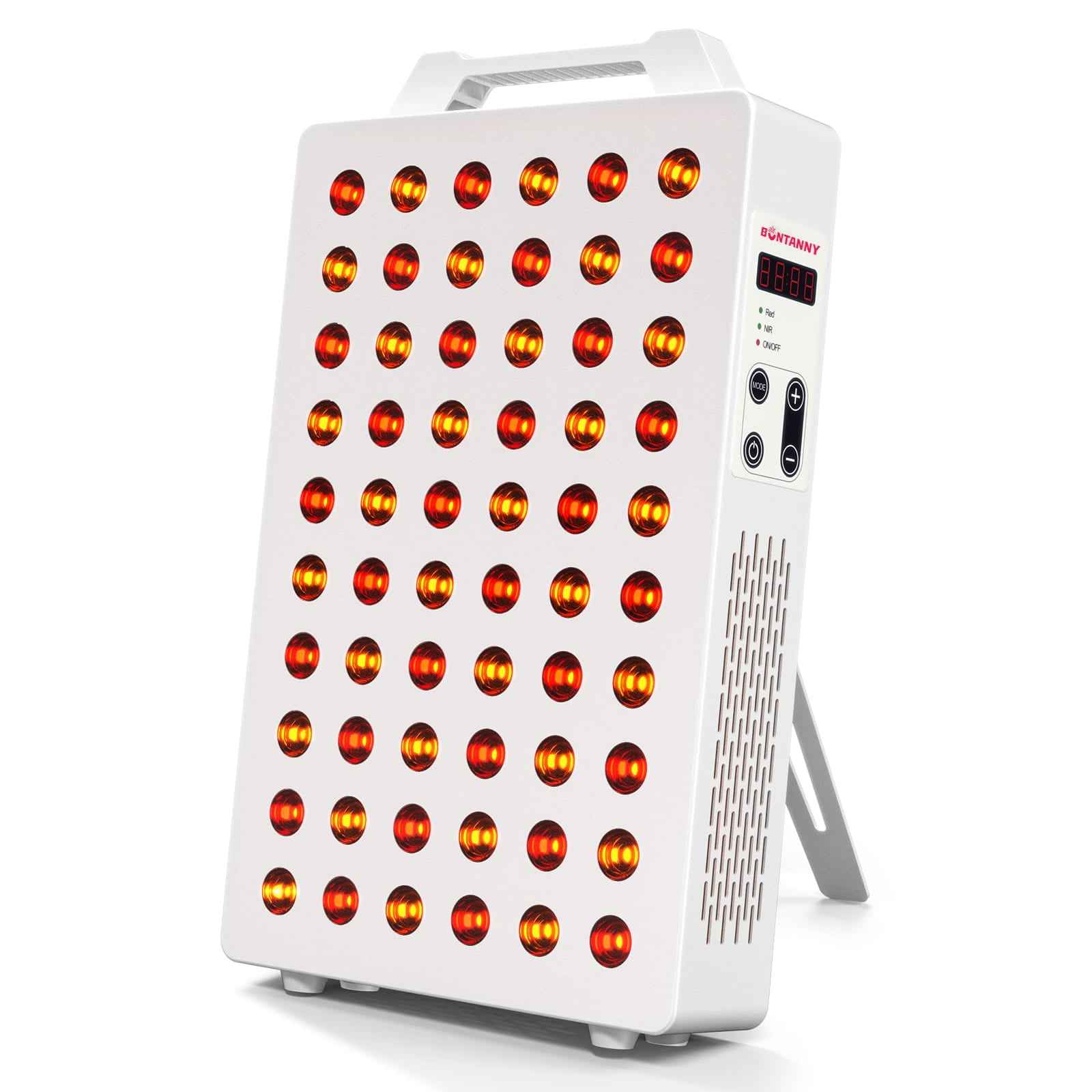
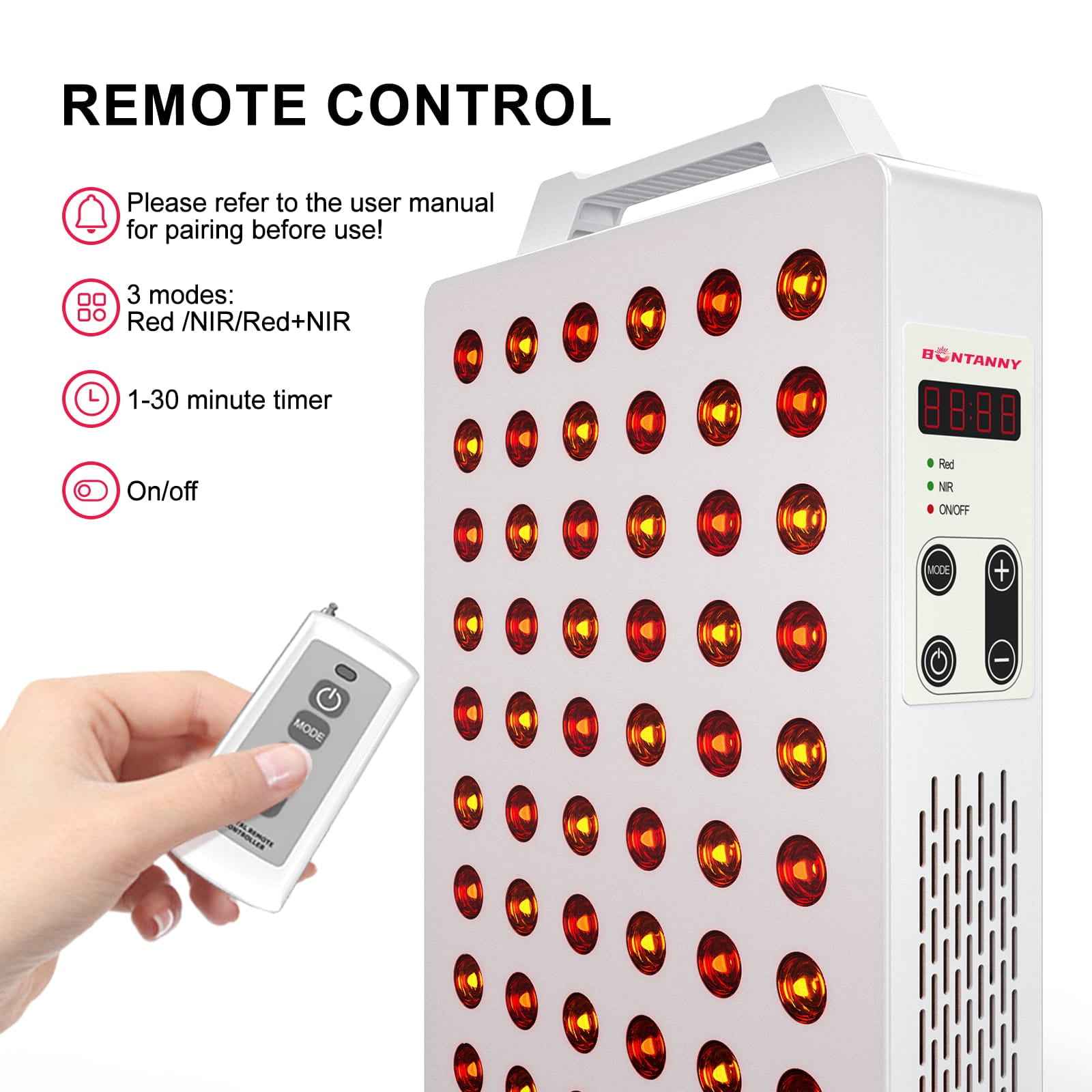
When choosing a red light therapy device for treating interstitial cystitis, it is essential to select a high-quality product. Bontanny’s red light therapy devices offer optimal features for home use, providing effective treatment to relieve IC symptoms.
Key Features to Look for in an Effective Device
-
Wavelength Range: Bontanny’s devices emit the correct wavelengths of red and near-infrared light (610-660 nm for red light, 810-1064 nm for near-infrared), which are ideal for promoting cellular healing and reducing inflammation.
-
FDA Approval: Ensure that the device is FDA-approved for safety and efficacy, ensuring that it is both reliable and safe for home use.
-
Sufficient Power Irradiance: Bontanny’s devices are designed to emit high irradiance, ensuring that the light penetrates deeply into tissues for maximum effectiveness.
-
Adjustable Intensity: The ability to control the intensity of the light ensures that you can tailor the treatment to your comfort level.
-
Portability: Bontanny’s devices are lightweight and portable, making it easy to continue your treatment wherever you are.
Best Practices for Using Red Light Therapy for Interstitial Cystitis Relief
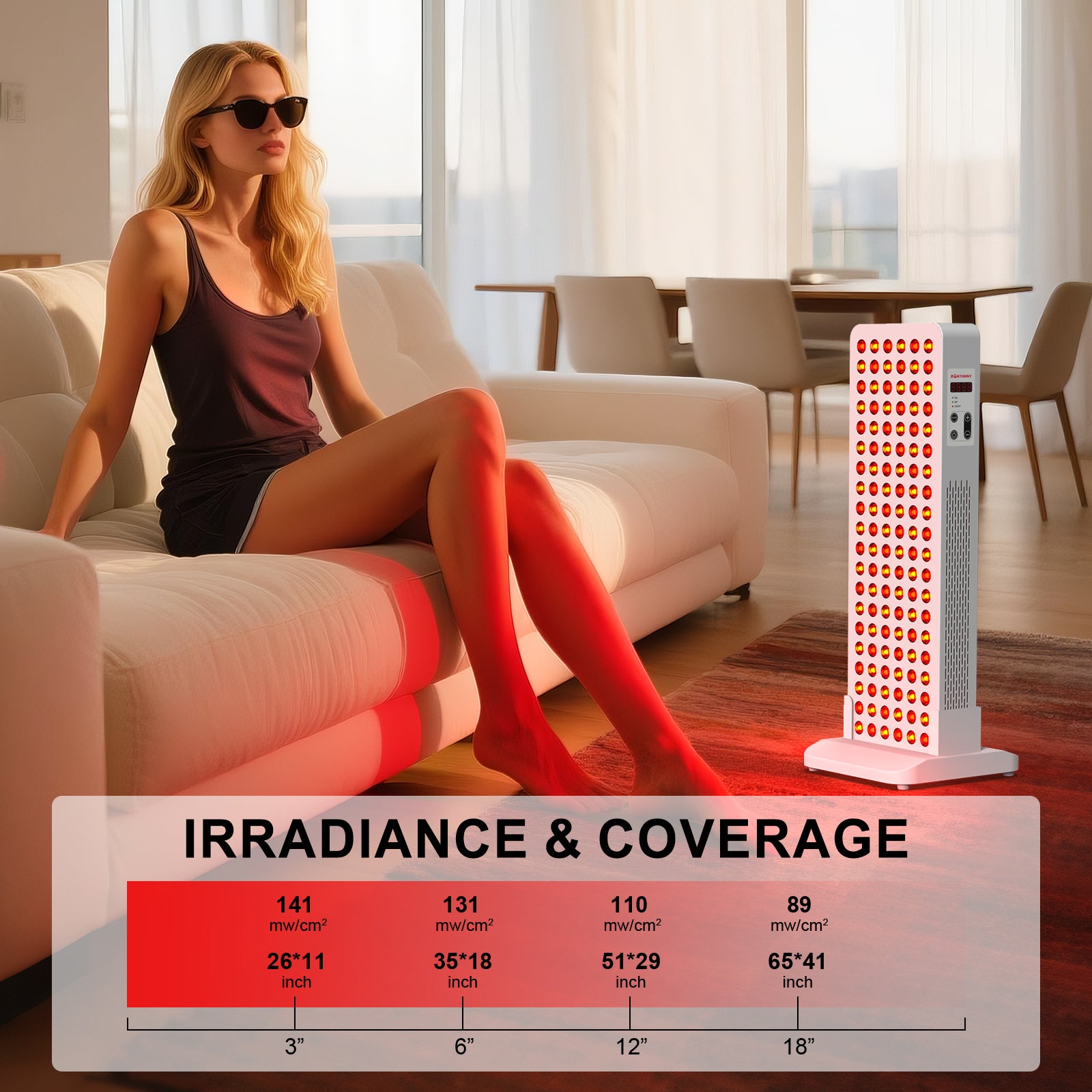
To achieve the best results, it’s important to follow the recommended guidelines for using red light therapy. Bontanny’s devices allow you to apply the therapy comfortably at home. Sessions typically last 10 to 20 minutes, with a frequency of 3 to 5 times per week. The distance from the device to your body should be around 6 to 12 inches, depending on the device’s power.
Conclusion: The Role of Red Light Therapy in Managing Interstitial Cystitis
In summary, Bontanny’s red light therapy offers a safe, non-invasive, and effective way to manage interstitial cystitis. It helps by stimulating energy production, reducing inflammation, promoting healing, and alleviating pain. With Bontanny’s red light therapy devices, you can manage interstitial cystitis from the comfort of your home, improving your quality of life without drugs or surgery.




Leave a comment
This site is protected by hCaptcha and the hCaptcha Privacy Policy and Terms of Service apply.